

THE HYPERLOOP CONCEPT: SIMPLE IDEA, COMPLEX ENGINEERING
 The idea behind Hyperloop is pretty simple, create a sealed tube (a lot like the vacuum tube at a bank drive up window), and design a “pod” that carries passengers through it. Currently, Musk is aiming at a top pod speed to exceed the speed of sound. The Hyperloop Alpha concept was first published in August 2013, proposing and examining a route running from the Los Angeles region to the San Francisco Bay Area, roughly following the Interstate 5 corridor. The Hyperloop Genesis paper conceived of a hyperloop system that would propel passengers along the 350-mile (560 km) route at a speed of 760 mph (1,200 km/h), allowing for a travel time of 35 minutes, which is considerably faster than current rail or air travel times. While there are safety concerns aplenty, and infrastructure that needs to be in place (not to mention creating transportation standards for an entirely new type of transportation), it is a bold vision, and one that is perfectly suited to bring the best and brightest in the engineering world together to learn and innovate together. Musk isn’t the only one trying to bring a finished Hyperloop to market, either. Virgin’s Hyperloop project is currently ongoing throughout Europe, with a recent high profile commitment to be the core Hyperloop provider throughout the middle east, the race is on, and it’s clear SpaceX has some competition, and SpaceX is counting on the element of competition to help propel Hyperloop transportation from a concept into a real world reality, hopefully faster than anyone thought it could be done. If that’s not enough, it looks like Musk has even bigger plans for the future of Hyperloop travel.
So how does it all fit together?
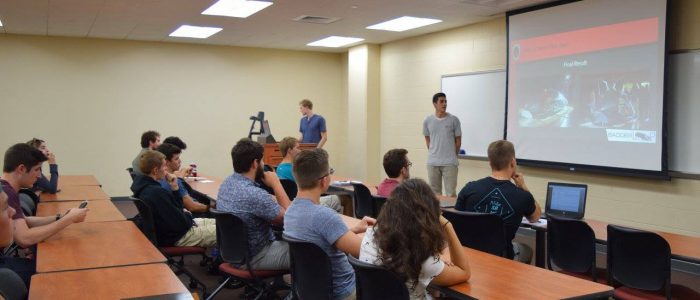
Momentum for a completed Hyperloop tunnel is building. Currently, SpaceX (another of Musk’s companies) is working to build the necessary vacuum tube, and the Boring Company (started by Musk specifically to dig tunnels for his tube) prepares to plot out the routes a future Hyperloop will use. While it’s clear that SpaceX and Virgin have both invested heavily in Hyperloop travel, that leaves the design of the pods, which is happening through a series of competitions involving students from some of the world’s largest and most respected Universities, including the University of Wisconsin, Madison. Not only does this keep the research and development costs low, but it offers an invaluable real-world practicum for Engineering students to both network with each other and future employers, and to hone their skills on the type of problems they’re likely to encounter in their future designing the technologies that transform the world we live in.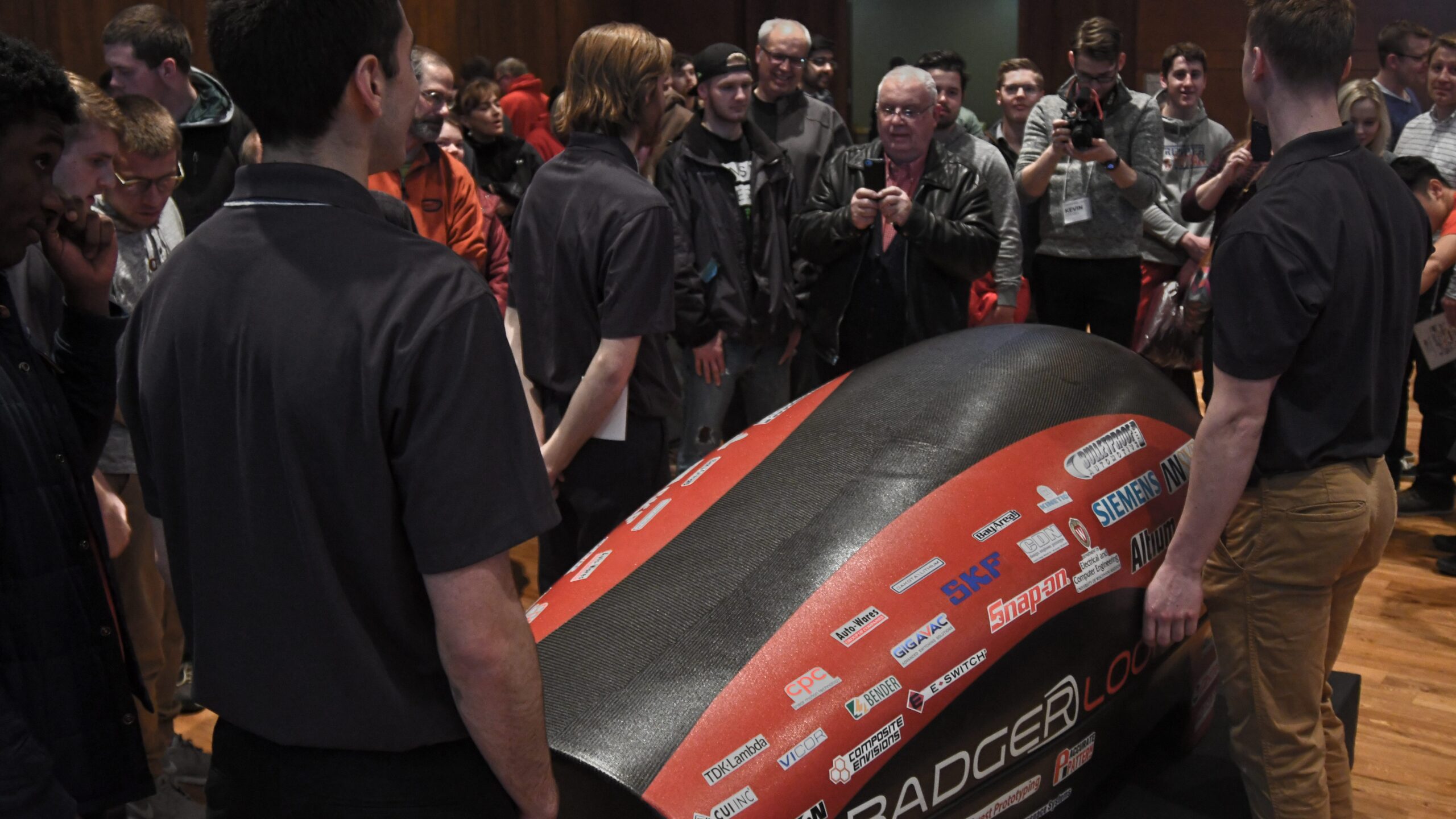
The Badgerloop Team unveils the third version of their Hyperloop Pod design for the upcoming competition in Hayward, CA
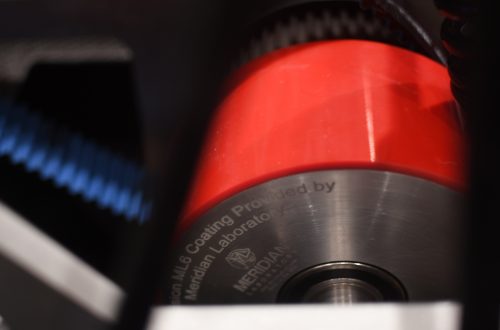
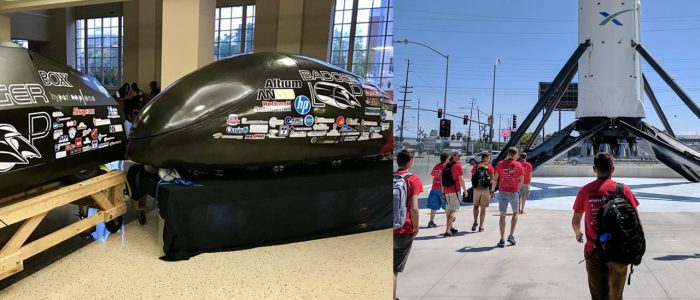

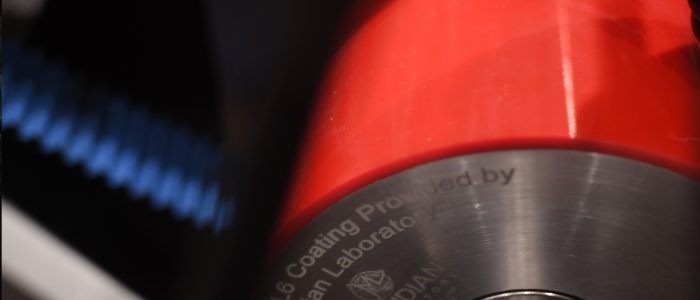
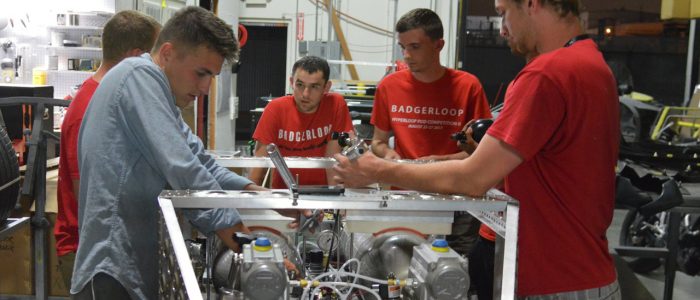
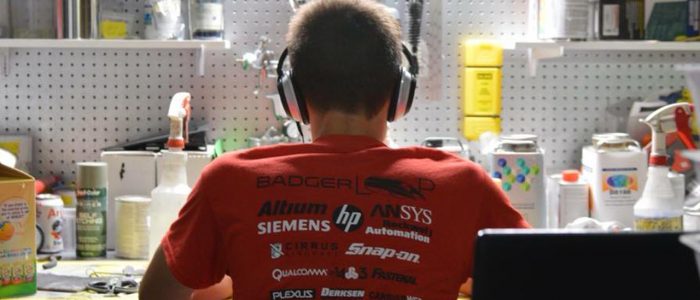

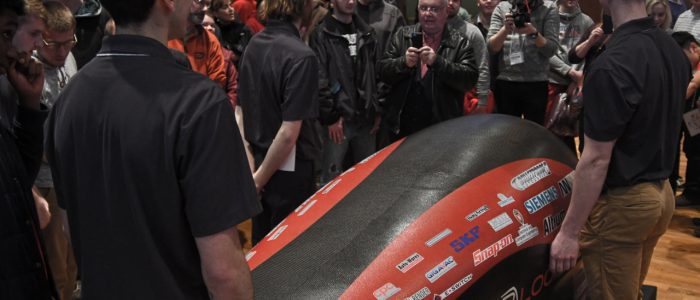
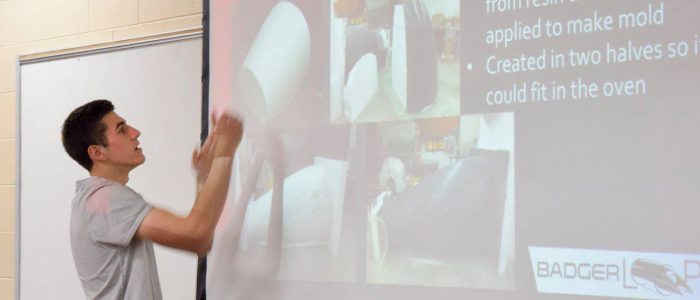
At Meridian, we have a 55-year history of investing in innovation, and we’re proud to sponsor a team that personifies the best the Midwest has to offer, creativity, work ethic, and an indominable spirit of innovation driving technology and engineering forward. We’ll be watching, and rooting on the home team July 17th, when the 3rd Hyperloop pod challenge takes place in Hayward, CA at the SpaceX test facility. Stay tuned for updates on the team and our work with them in the future, they, and we, would appreciate your support. You can check out their website at www.badgerloop.com, or look them up on your favorite social media channel (They’re Everywhere!) to stay up to date with everything Badgerloop!


