



TECHNICAL FEATURES
400 AMP ROTARY GROUND SERIES
- Rated for continuous 400 amps DC at 100% duty cycle
- Consistent and stable current delivery without fluctuation
- Maintenance-free without routine grease, cleaning, or brush replacement
- Sensitive environment, non-mercury (RoHS) versions available
- Brushless design eliminates wear and ensures longevity
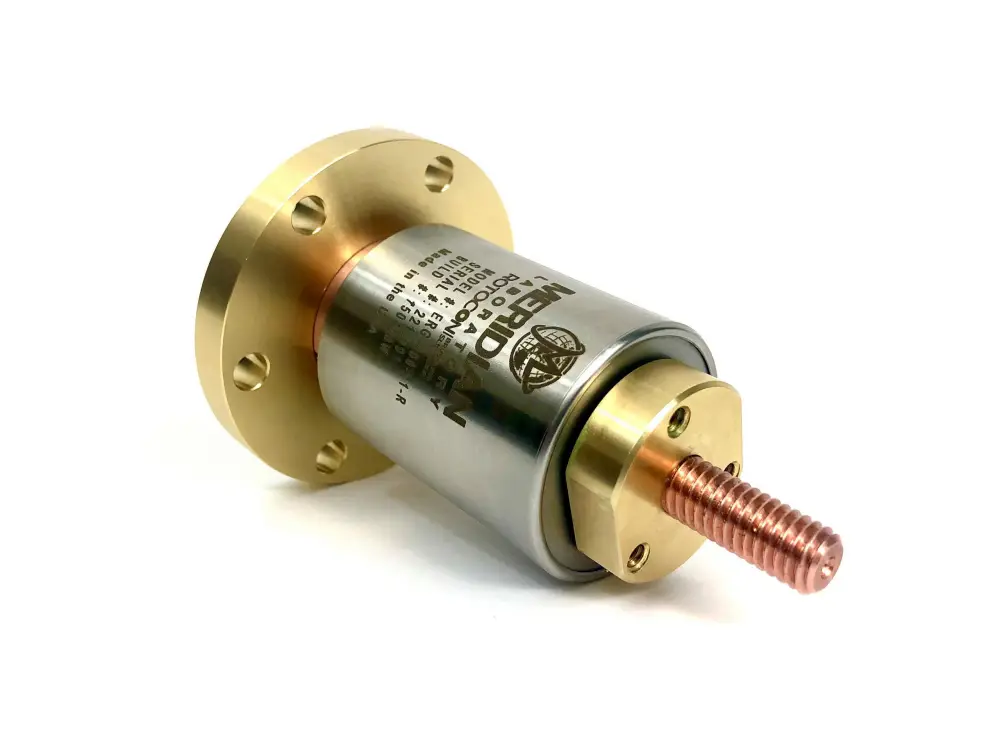
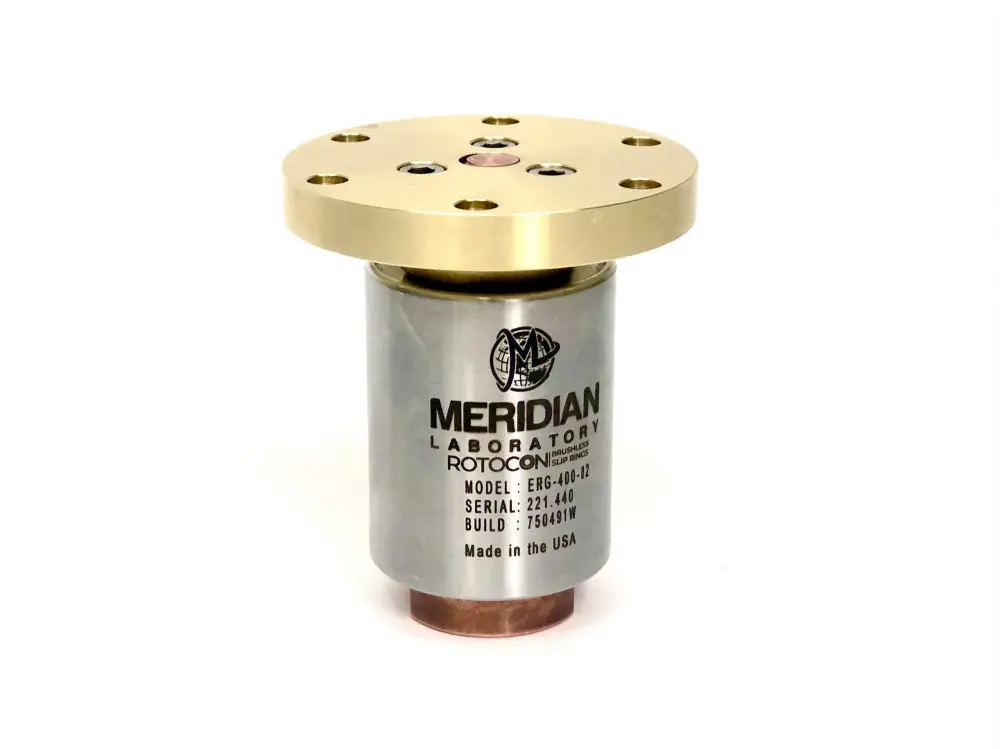
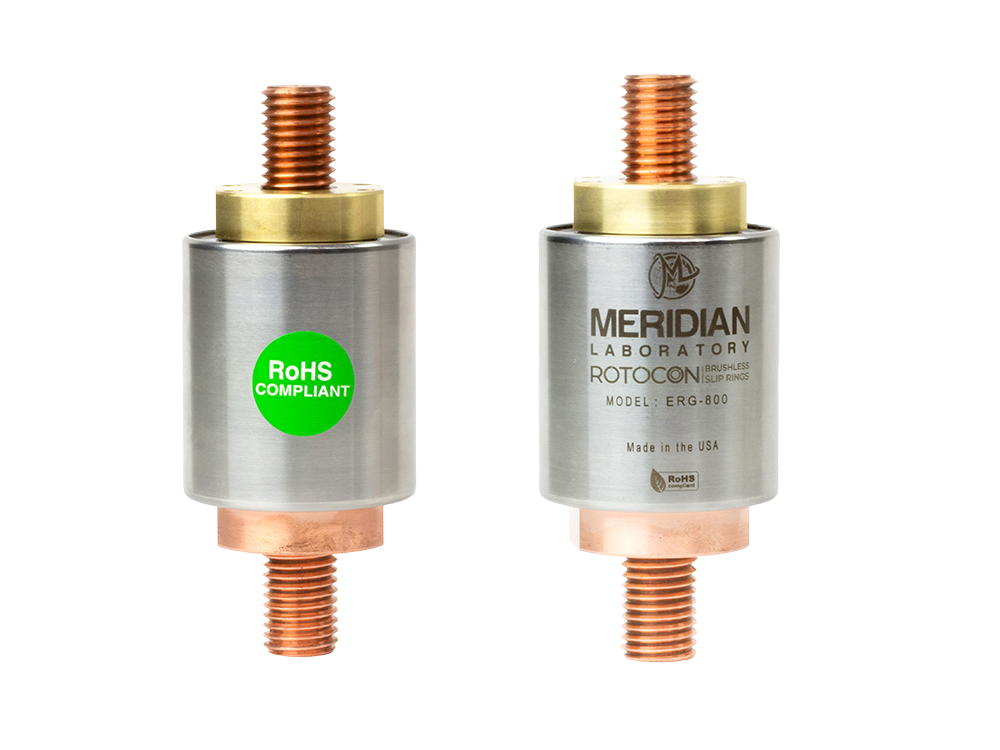
ROTOCON ERG-400 400 amp rotary grounds are rated for continuous 400A DC operation, providing a stable and consistent current in rotating applications without fluctuation, regardless of position, speed, orientation, or total revolutions. As a superior alternative to traditional metal-on-metal rotary grounds, such as the Tweco (ESAB) RG-140 (9250-1114), Sumner ST-107, and Lenco L02080, ROTOCON ERG-400 rotary grounds offer improved performance, durability, and reliability.
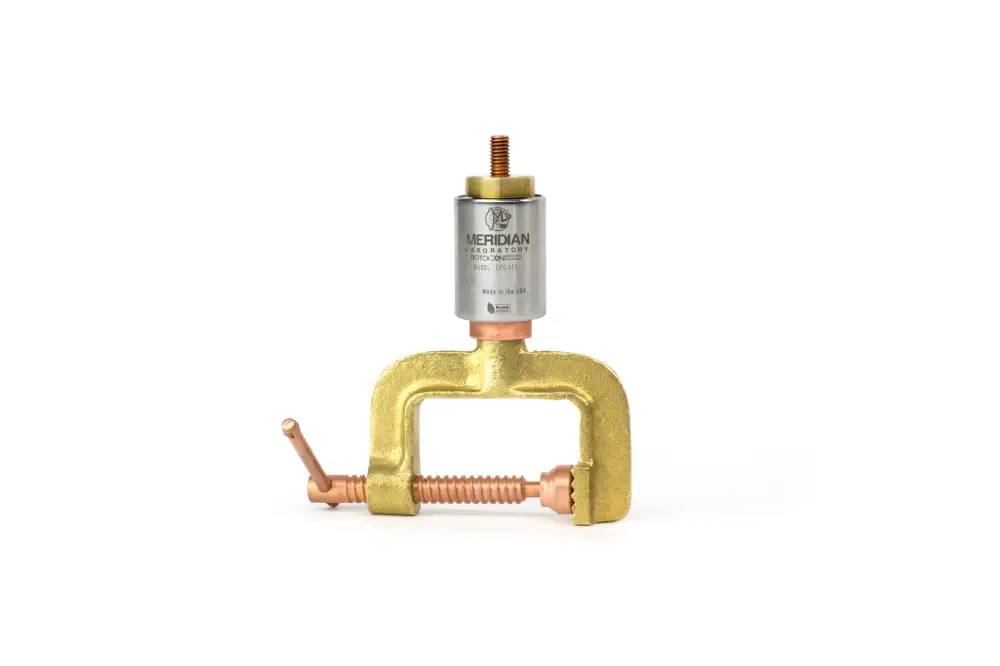
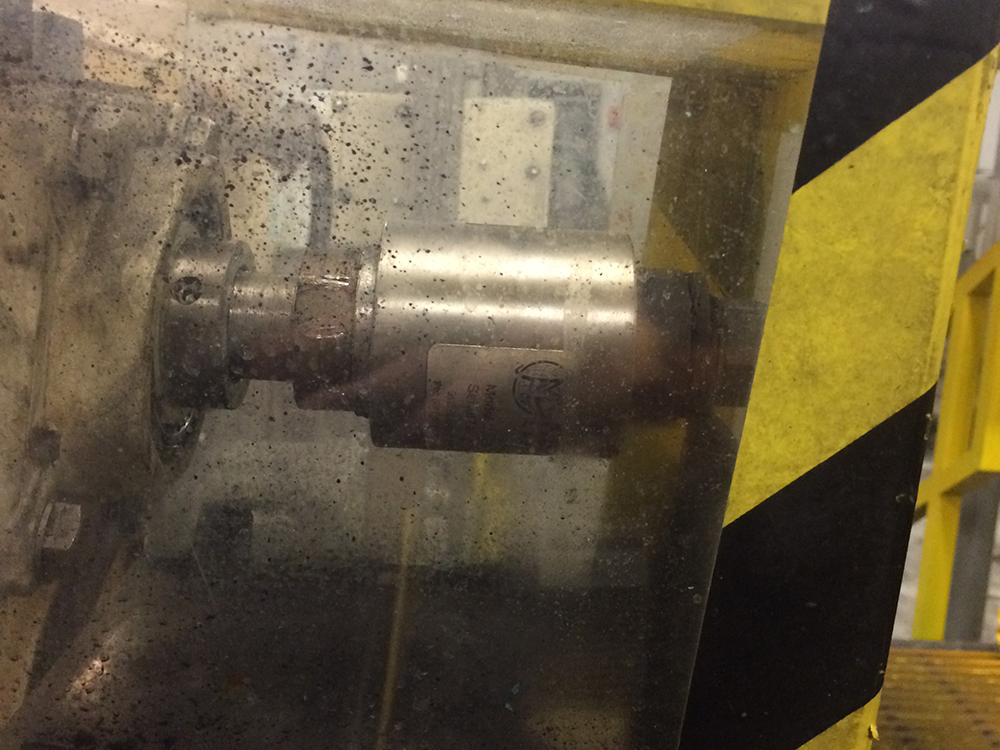
Commonly used in rotary welding, electroplating, electropolishing, cutting, and other high-current industrial applications, ROTOCON ERG-400 rotary grounds feature four different mounting configurations for easy integration. Unlike conventional brushed and metal-on-metal contacts, ROTOCON rotary grounds are brushless and maintenance-free, eliminating the need for brush contact adjustments or routine grease application. Built for industrial environments, they are constructed from high-durability materials to ensure long-lasting, trouble-free operation in demanding applications.
Advantages
Why Choose ROTOCON 400 Amp Rotary Grounds?


General Specifications
ERG-400 Rotary Ground Specifications
AMPERAGE
400
AMPS CONTINUOUS DC
Amperage refers to the continuously rated current specification of the product at direct current (DC) to low/common frequency levels (<120 Hz).For elevated current, temperature, or frequency applications - please contact Meridian Laboratory for more information.

CONTACT RESISTANCE
<0.03mΩ
Contact resistance refers to the electrical resistance between the stationary and rotating portions, internal to the ROTOCON rotating electrical connector. This is measured without additional cabling or connectors, and is internal to the units themselves. This is measured stationary or rotating, regardless of rotational direction, speed, or orientation.
DUTY CYCLE
100%
CONTINUOUS
Duty cycle refers to the duration of time at which the ROTOCON slip ring can operate within a maximum specified condition. Not all ROTOCON slip ring and rotary grounds are tested or guaranteed while in an absolute maximum condition of all specifications (rotational speed, amperage, etc.) simultaneously. For more information or application specific questions, please contact Meridian Laboratory.
Configurations
ERG-400 Standard Models
| Name | Mounting | Amperage | Total Length | ROHS | RPM | Part Downloads | 2D Download Action Type | File Datasheet | Model Download (3D STP) | Photos |
|---|---|---|---|---|---|---|---|---|---|---|
| Custom Rotary Grounds | End of Shaft, Through-Hole | Up to 10,000A | Available with RoHS Compatability | Contact Us | ||||||
| ERG-400-41-R | Clamp | 400A | 7.0" | Yes | 50 | Standard Model | MERIDIAN-LABORATORY-ROTOCON-ERG-400-41-R.pdf | Yes | ERG-400-21.jpg | |
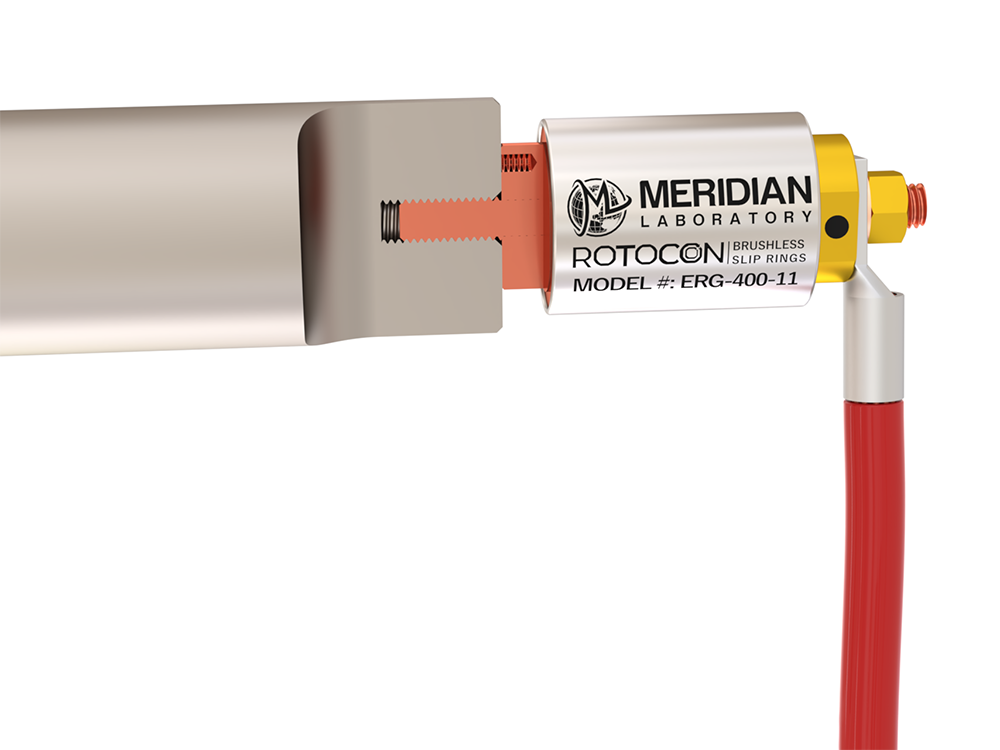
| ERG-400-11-R | End of Shaft | 400A | 4.4" | Yes | 1,750 | Standard Model | MERIDIAN-LABORATORY-ROTOCON-ERG-400-11-R.pdf | Yes | ERG-400-11-R.jpg | |
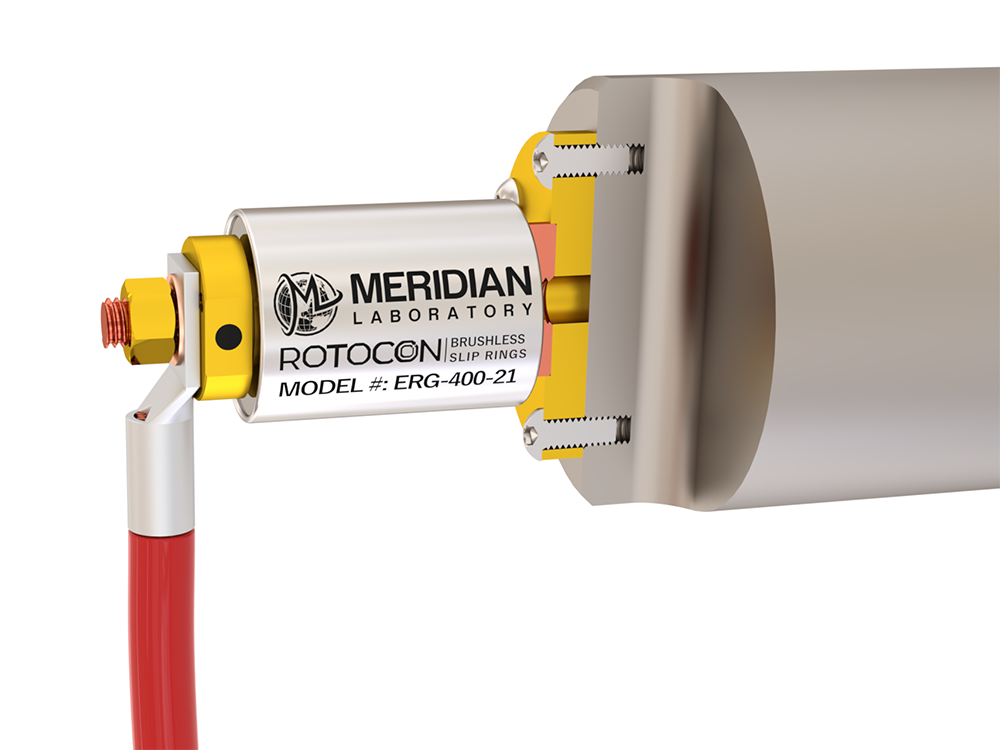
| ERG-400-21-R | Flange | 400A | 3.8" | Yes | 1,750 | Standard Model | MERIDIAN-LABORATORY-ROTOCON-ERG-400-21-R.pdf | Yes | ERG-400-11.jpg | |
| ERG-400-41 | Clamp | 400A | 7.0" | No | 50 | Standard Model | MERIDIAN-LABORATORY-ROTOCON-ERG-400-41.pdf | Yes | ERG-400-41.jpg | |
| ERG-400-01-R | End of Shaft | 400A | 3.5" | Yes | 1,750 | Standard Model | MERIDIAN-LABORATORY-ROTOCON-ERG-400-01-R.pdf | Yes | ERG-400-01-R.jpg | |
| ERG-400-11 | End of Shaft | 400A | 4.4" | No | 1,750 | Standard Model | MERIDIAN-LABORATORY-ROTOCON-ERG-400-11.pdf | Yes | ERG-400-11.jpg | |
| ERG-400-21 | Flange | 400A | 3.8" | No | 1,750 | Standard Model | MERIDIAN-LABORATORY-ROTOCON-ERG-400-21.pdf | Yes | ERG-400-21.jpg | |
| ERG-400-01 | End of Shaft | 400A | 3.5" | No | 1,750 | Standard Model | MERIDIAN-LABORATORY-ROTOCON-ERG-400-01.pdf | Yes | ERG-400-01.jpg |
MOUNTING
400 Amp Rotary Ground Mounting Options

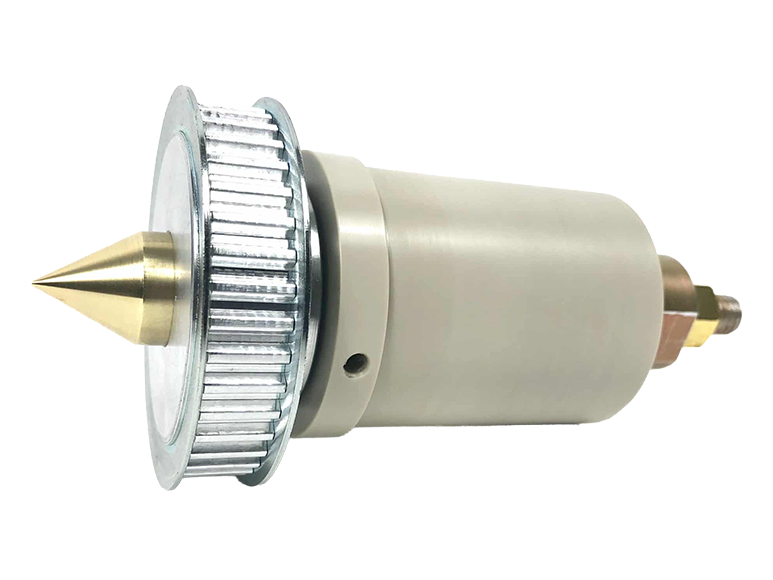
ERG-400-01
ERG-400-11
ERG-400-21
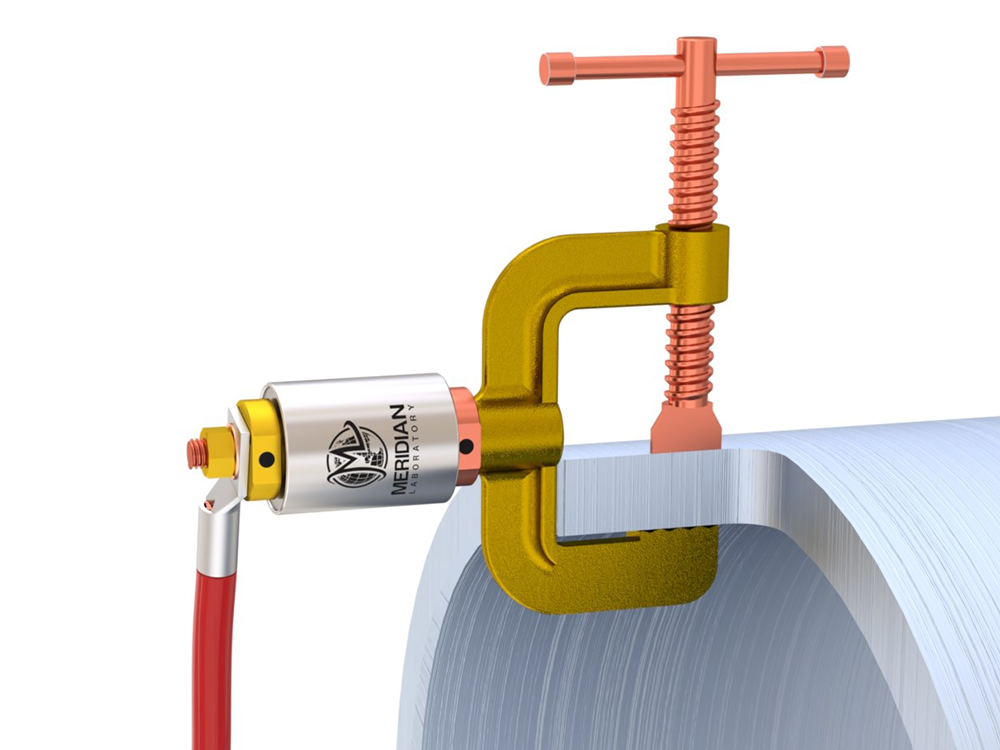
ERG-400-41
FAQs
Common Rotary Ground Questions
Does conductive grease need to be applied when installing a ROTOCON rotary ground?
No. The application of grease of any kind, including conductive grease, between the conductive shaft or mating surfaces and the ROTOCON rotary ground is not advised. Meridian Laboratory recommends cleaning and degreasing both the mating surfaces and rotary ground prior to installation. If surface oxide is present on either component, light abrasion with 320 grit sandpaper or Scotch-Brite© Heavy Duty Green pads (or equivalent product) is recommended to ensure a robust electrical contact.
Can a ROTOCON be used in corrosive environments?
Yes, ROTOCON rotary electrical connectors and rotary grounds are built with durable, industrial-grade materials, making them suitable for many challenging environments. Depending on the level of exposure to corrosive substances, a standard model may be sufficient for your application. Meridian Laboratory also offers upgrades to enhance ingress protection (IP rating) and chemical resistance. For extreme cases, Meridian Laboratory has the ability to deliver custom ROTOCONs to meet the challenging environmental requirements of your application. Contact us to discuss your project and find the best solution for your needs.
Can a ROTOCON operate in any direction and orientation?
Yes, ROTOCON rotary electrical connectors can be mounted and used in any orientation and rotate in any direction. Certain uses may prolong longevity in a particular orientation, but they are designed to be used in every orientation.
What is the expected lifespan of a ROTOCON rotary ground?
ROTOCON rotary grounds are built to provide reliable, uninterrupted electrical contact over an extended operational lifespan, frequently surpassing 500 million revolutions without requiring cleaning, conductive grease, or brush maintenance. Our designs emphasize long-term performance and dependability, using carefully selected materials and components to ensure a robust, maintenance-free solution.
Can a ROTOCON rotary ground be used as a mechanical bearing / turntable?
While it is expected that a certain amount of cable weight is present on the ROTOCON rotary grounds, they are not intended to be a load-bearing device used to support the objects being grounded and rotated. For exact ratings and more information, please see the model specific datasheets or contact us with any questions relative to your application.
What is the maximum voltage a ROTOCON can carry?
Nearly all ROTOCON rotary electrical connectors and rotary grounds are rated to a minimum of 600V AC/DC, unless otherwise stated on their respective model specific datasheets. The maximum voltage rating is largely dependent on the product series of ROTOCON brushless slip rings,but generally speaking, standard models are offered with voltage ratings up to 3,500V AC/DC and custom models available up to hundreds of thousands of volts.
Purpose-built ROTOCON rotary grounds and slip rings have been built, certified, and used for lightning arc grounding devices and other medium to extra high voltage applications up to 800kV. For application specific requirements above our nominally rated ROTOCON rotary ground and slip rings, please contact us for more direct support.
Maximum voltage varies depending on the ROTOCON series and model. See individual datasheets for specific ratings.
Customization
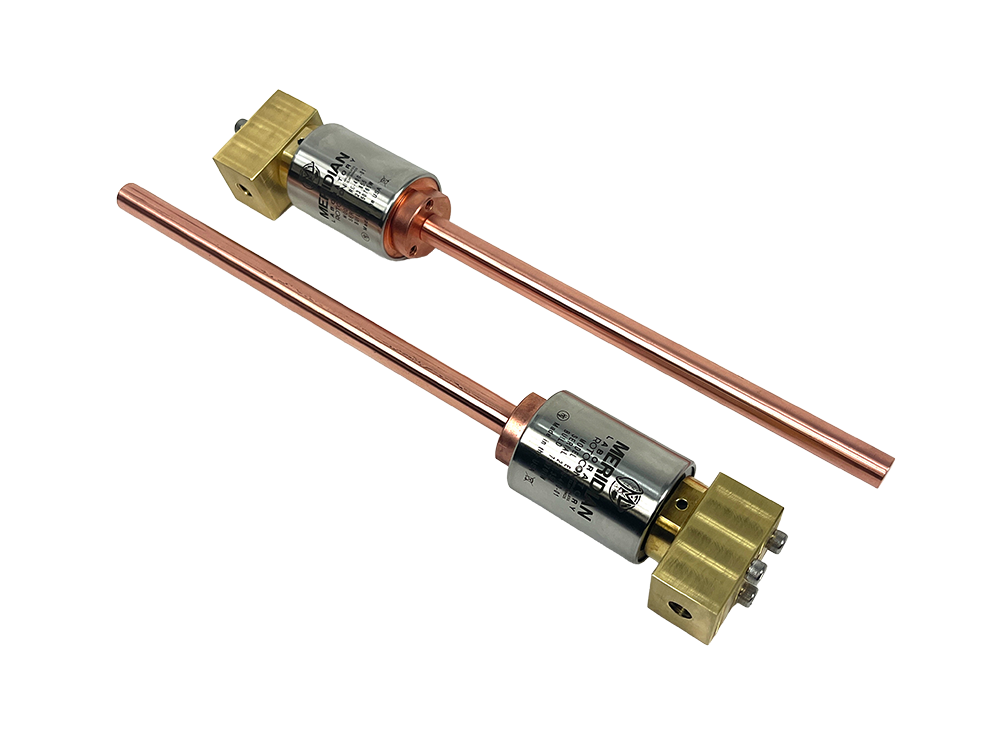
ERG-400 Rotary Ground Customization Options
 MOUNTING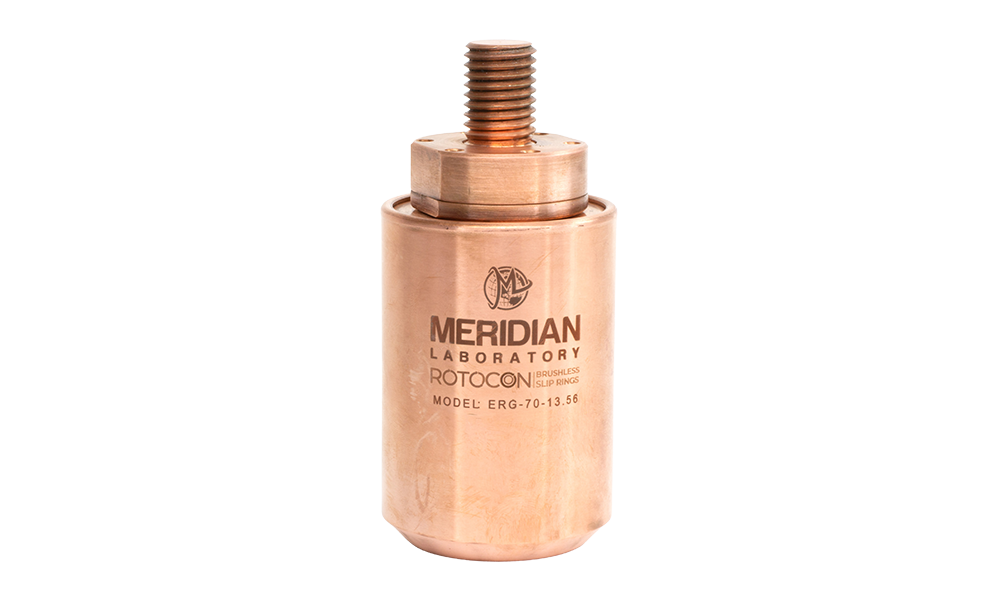

APPLICATIONS & USES
Common Uses for ERG-400 Rotary Grounds
Rotary Welding & Cutting
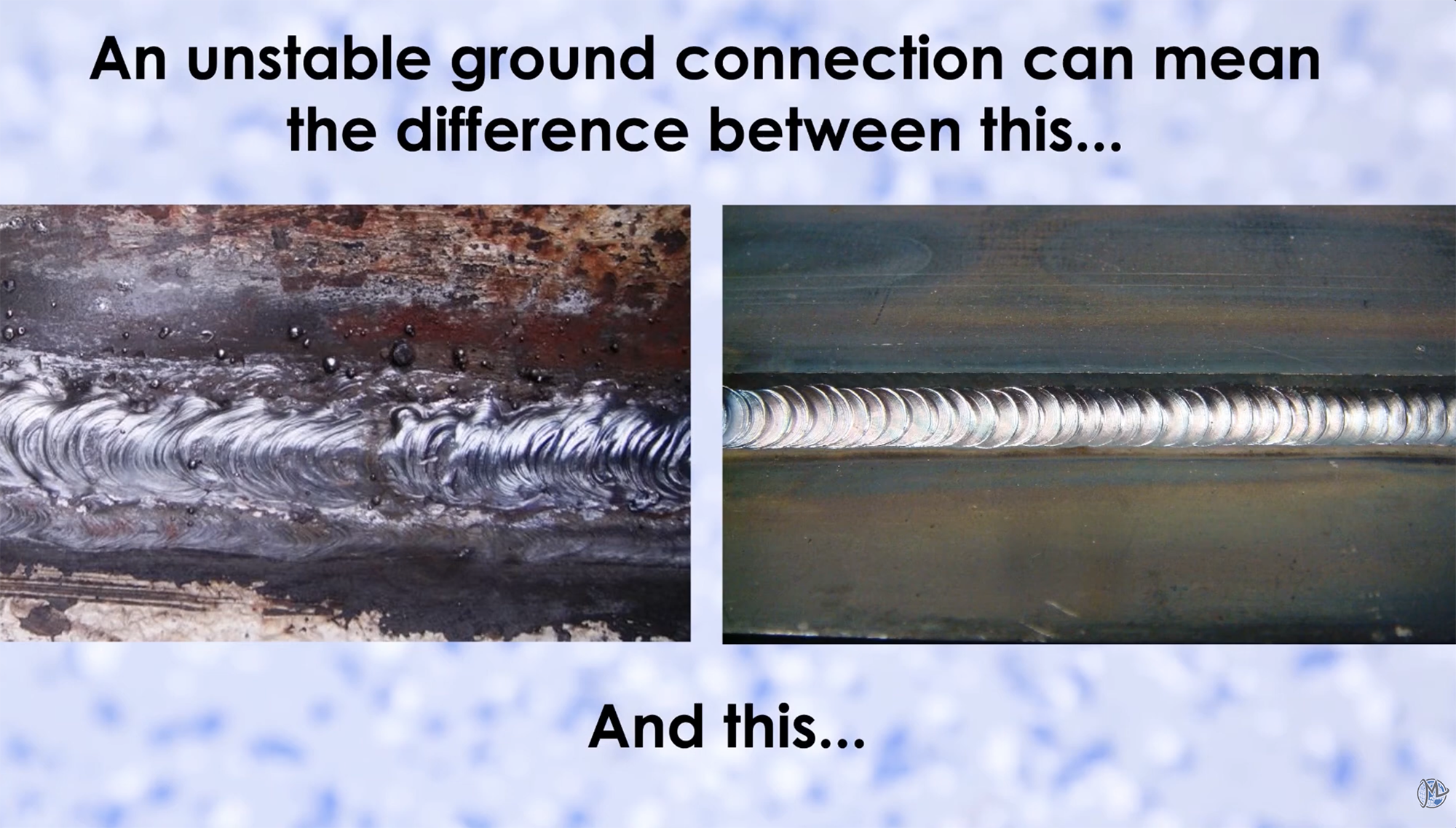
Tanks, pipes and other welding applications require a rotary ground to transfer current while the materials are rotated and welded, enabling the production of stacked tubes and other welded end products. Welding tables, welding positioners and robotic welding all require the ability to transfer a consistent current while the work piece or welder is rotated or manipulated.
Rotational Plating & Polishing
As parts are immersed in an electroplating or polishing bath, they are often rotated to ensure even coverage across all surfaces, resulting in a higher-quality finish. Rotary grounds are necessary to provide a steady, consistent electrical current to the workpiece or fixturing as they rotate.
Rotary Sputtering & Deposition
Rotating electrical grounds can be used in sputtering applications to provide a ground circuit to a rotating workpiece, ensuring an even application of deposited materials onto the substrate. Having a stable ground resistance allows the parameters to be more tightly controlled and monitored, providing a better end product.
Explore More
Related Products


Resources
Helpful Information
Get the details you need, explore our complete resource library on every slip ring series.